How to Source Bamboo Pajamas from China: What Brands Get Wrong
Bamboo sleepwear has gone from a niche eco-product to a mainstream expectation in the children’s and women’s sleepwear market. Walk into any premium baby boutique in the US, UK, or Australia and you’ll find it. Browse DTC brands on Instagram and half of them are leading with bamboo softness as their headline claim.
Behind almost all of them is a Chinese manufacturer — and that’s where the sourcing process either goes smoothly or starts generating headaches that follow the brand for years.
Most of the mistakes happen before the first sample is even made. Here’s what actually goes wrong, and how to avoid it.
The Bamboo Fabric Question Brands Keep Getting Wrong
There’s a widespread assumption among first-time bamboo sleepwear brands that “bamboo fabric” is a single material with consistent properties. It isn’t.
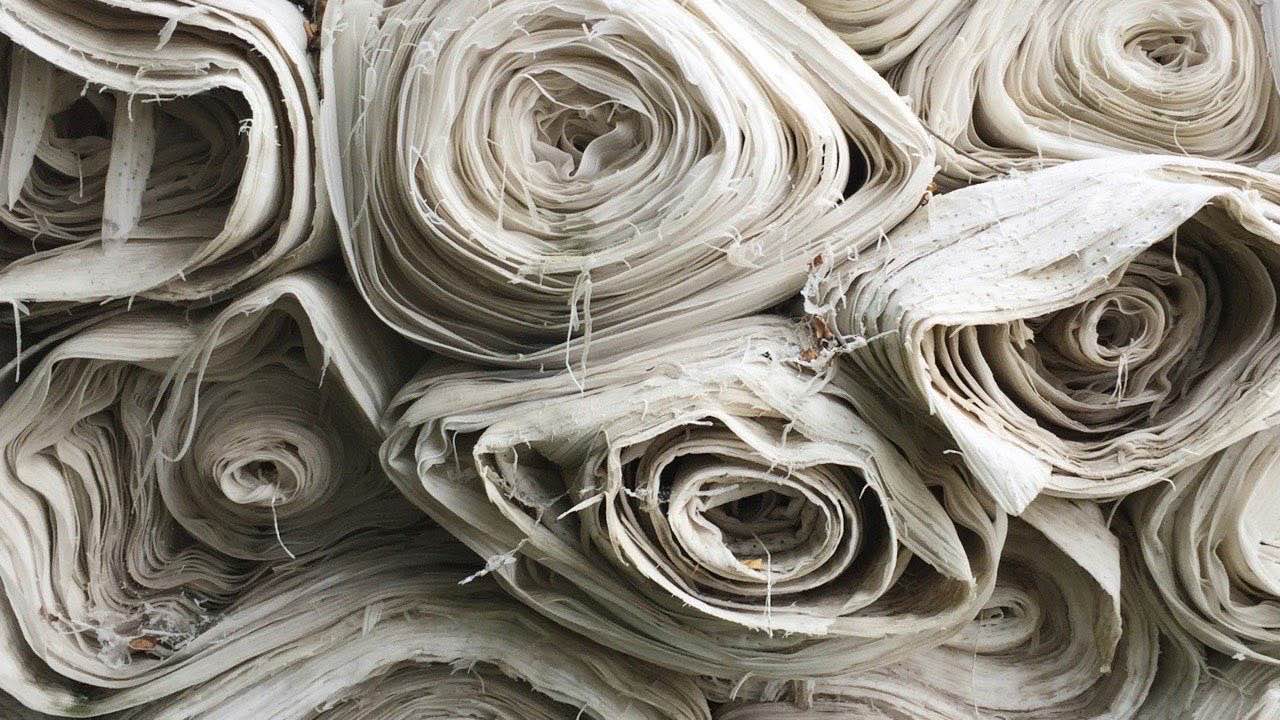
The fabric in virtually all bamboo pajamas is bamboo viscose — bamboo pulp that’s been chemically processed into a fiber, then spun into yarn. The end result is genuinely soft, breathable, and moisture-wicking, but the processing method and the specific bamboo source affect the output significantly. A 95% bamboo viscose / 5% spandex blend from one mill can feel meaningfully different from the same spec off a different mill — in hand feel, in how it washes, in how it holds color after sixty laundry cycles.
When brands go into sourcing without understanding this, they get a sample that feels extraordinary, approve it, then receive bulk production that’s… fine. Not bad enough to reject. Just slightly off from what they approved. That gap — soft versus very soft, the print that’s slightly duller, the slight color shift after three washes — is the gap between a product customers rave about and one they just accept.
The practical solution: ask any manufacturer you’re considering which mill supplies their bamboo viscose, and whether you can see a fabric test report. A good manufacturer will have standing mill relationships and won’t hesitate to share this. Vague answers about “premium quality bamboo” without a specific mill name is a signal worth noting.
Why the OEKO-TEX Certificate on the Factory Wall Isn’t Enough
OEKO-TEX certification has become a near-universal requirement for bamboo sleepwear brands, particularly anyone selling children’s products or marketing to health-conscious consumers. The confusion is around what the certification actually covers.
A factory can display an OEKO-TEX certificate while working with multiple fabric suppliers — some of whose fabrics are certified and some of which aren’t. The factory certification confirms their production processes meet certain standards. It doesn’t automatically mean every fabric lot coming into that factory has been tested.
For children’s bamboo pajamas especially, what you want is OEKO-TEX STANDARD 100 at the fabric level — specifically Class I, which covers products for babies under 36 months and tests for formaldehyde, heavy metals, pesticides, and a range of other substances. That means asking to see the fabric mill’s OEKO-TEX certificate alongside the factory’s own credentials.
Manufacturers who understand international markets — like bamboo pajama manufacturer — will have both in order and won’t find the question unusual. If a manufacturer seems surprised that you’re asking about fabric-level certification rather than just factory-level, that’s useful information.
MOQ Numbers and What They Actually Mean
Published minimum order quantities in this industry require some interpretation. A factory might advertise 100 pieces per style, which sounds accessible — until you discover that applies per style per color, per size run, and that your actual minimum for a 4-size children’s set in two colorways is considerably larger than you planned for.
This isn’t deceptive on the factory’s part, usually. It’s just that “MOQ” is being used to describe different things depending on who’s talking. Some factories mean per style total. Some mean per colorway. Some calculate it by weight of fabric ordered rather than unit count.
Before you get excited about a low published MOQ, have a direct conversation about exactly what minimum quantities look like for your specific product — number of styles, colors, and size range included. The answer tells you whether a factory is genuinely accessible for an emerging brand or whether the advertised number is more of a marketing position.
For context, 100 pieces per style per colorway is actually workable for a brand that’s validating a new design. It gives you enough inventory to photograph properly, seed influencers, and test real market response before committing to a larger run. The factories that offer this genuinely — rather than as a headline that shifts when you get into specifics — tend to be the better early-stage partners.
The Sampling Round That Brands Underestimate
Most brands budget one sample round. The reality is usually two or three before bulk production makes sense, and that timeline needs to be factored into your launch planning.
The first sample confirms the basic construction and feel. It almost always comes back with at least a few comments — collar stand is too high, drawstring is slightly too stiff, print colors are close but need adjusting. The second sample addresses those notes. The third, if needed, is usually minor refinements.
Each round with a good Chinese manufacturer takes 3–7 days for physical samples, plus shipping time. If you’re working with a factory in Guangdong and you’re based in North America, add 4–7 days each direction for courier. A realistic development timeline from first inquiry to sample approval is 6–8 weeks, sometimes longer if your design has complex details.
Factories that offer 3–5 day sampling turnaround are meaningfully faster than the industry average and can compress this significantly, but that doesn’t account for shipping. Plan accordingly, and build in buffer before any hard launch date.
What “Full-Service” Actually Means for Bamboo Sleepwear
Brands sometimes interpret “full-service manufacturer” as meaning everything is handled seamlessly without much input from the buyer’s side. In practice, the input still needs to come from you — the difference is what the factory can do when you don’t have something.
A genuinely full-service bamboo pajama manufacturer can work from a rough concept sketch rather than a technical pack, suggest appropriate fabric weights for different end uses (loungewear versus sleepwear versus travel), advise on construction details that affect wash durability, and source trims — buttons, elastic, labels — that match your brand aesthetic rather than defaults.
What they can’t substitute for is your brand direction. They don’t know whether your customer is a millennial parent who will scrutinize the supply chain, a gift buyer who cares mainly about packaging, or an active family that needs something that survives daily wear. That context shapes decisions throughout the development process, and the more clearly you can communicate it, the better the result.
The Compliance Piece That Catches Brands Off Guard
If you’re selling bamboo children’s pajamas in the US, there’s a flammability compliance requirement under 16 CFR 1615/1616 that operates differently from most fabric safety certifications. Children’s sleepwear needs to be either inherently flame resistant or labeled and sized to qualify as tight-fitting (which shifts the compliance burden differently).
Most bamboo viscose children’s pajamas sold in the US go the tight-fitting route with appropriate labeling. The specifics matter and are worth understanding before production rather than after — it affects your sizing specs, your labeling requirements, and occasionally your construction.
It’s worth having a direct conversation with any manufacturer about US flammability compliance and whether they’ve supplied into the US market before. Experienced manufacturers will already know this territory. Ones who haven’t supplied to the US before can still be good partners, but you’ll need to understand the compliance requirements yourself rather than relying on the factory to guide you.
Finding the Right Manufacturing Partner
The practical reality of sourcing bamboo sleepwear from China is that the range of quality across factories is genuinely wide. At the top end, you have manufacturers with documented mill relationships, real certification infrastructure, experienced English-speaking teams, and track records with Western brands. Lower down, you have factories where the photo looks good and the first sample is serviceable but quality consistency across bulk batches is unpredictable.
A few things that help narrow the field:
Ask for references from brands at a similar stage to yours. A factory that works primarily with large-volume established brands may not have the development patience that a newer brand needs. A factory whose client list is mostly early-stage brands may not have the capacity infrastructure you’ll need in two years. The sweet spot is a manufacturer who has worked with both and can credibly support your current stage while growing with you.
Ask how they handle quality issues in bulk production. Not “do you have quality control” — every factory says yes — but specifically: what happens when a fabric lot comes in that doesn’t match the approved swatch? What’s the escalation process if a batch fails inspection? How have they handled this with other clients? The answers reveal the actual quality culture rather than the stated one.
And visit if you can. Shantou and the broader Guangdong manufacturing region are accessible, and a day at a factory tells you more than six months of email exchanges. Legitimate manufacturers welcome site visits without hesitation.
Sourcing bamboo pajamas well isn’t about finding the cheapest manufacturer or the one with the most impressive website. It’s about finding a partner whose process matches your product requirements, whose communication is genuinely good, and whose quality systems hold up under the scrutiny of real bulk production — not just sample rounds. That combination exists, and it’s worth taking the time to find it.