Custom Melin Golf Hat Manufacturer: How to Specify Premium Golf Headwear Without Trademark Risk
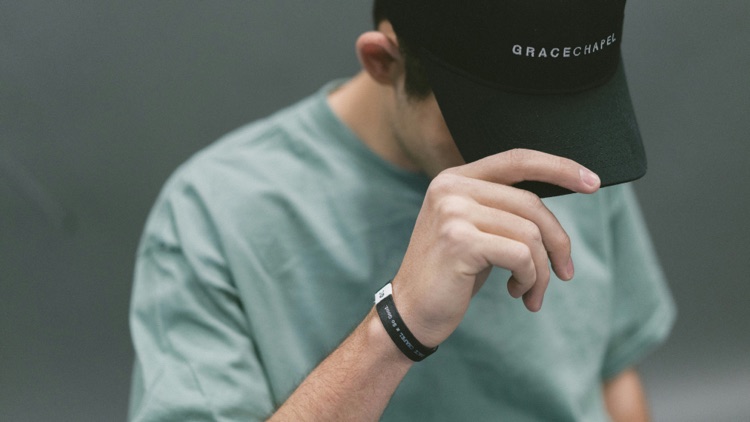
Golf buyers sometimes use branded search terms when they are really trying to describe a product style.
They may want a clean premium golf hat with performance fabric, water resistance, a structured profile, and a retail-quality logo finish. That search behavior is understandable, but it can create sourcing risk if the brief sounds like a request for unauthorized branded goods.
If you are looking for a custom melin golf hat Manufacturer, the safer way to approach the project is to define private-label premium golf headwear requirements clearly and avoid any trademark confusion.
Separate Brand Inspiration From OEM Manufacturing
There is a clear difference between buying official branded hats and developing private-label golf hats.
Official branded products should come from authorized channels. OEM manufacturing should focus on your own brand, your own logo, and your own product specifications.
Instead of asking a supplier to copy a brand, describe the performance and design standard:
- Premium golf look
- Lightweight structured crown
- Smooth front panel
- Moisture-wicking sweatband
- Water-resistant or quick-dry fabric
- Clean logo decoration
- Comfortable adjustable fit
- Retail-ready packaging
This helps the manufacturer quote and develop a legal private-label product.
What Premium Golf Hat Buyers Usually Need
Golf headwear has to balance sport performance and lifestyle presentation.
Players wear the cap for long periods outdoors. Brands also expect the cap to look clean in product photos, pro shops, tournaments, resort stores, and corporate events.
That means the product needs:
- Comfort in warm conditions
- Stable brim shape
- Good sweatband feel
- Clean stitching
- Accurate logo placement
- Consistent color
- Shape protection during shipping
A cheap promotional cap with a logo may not meet those expectations.
Build the Brief Around Use Case
Before sampling, decide whether the hat is for tournament merchandise, golf club retail, corporate gifting, apparel brand sales, resort shops, or team uniforms.
Each use case changes the brief. Tournament merchandise may need a clean logo and reliable delivery. Retail products may need better trims and packaging. Corporate gifts may need broad fit and a premium first impression. Golf apparel brands may care more about repeat-order consistency.
Your brief should include:
- Target use
- Reference shape
- Fabric preference
- Logo size and position
- Decoration method
- Closure type
- Color standard
- Quantity
- Packaging
- Sample deadline
Clear requirements reduce sample rounds and make supplier comparison easier.
Choose Fabric Carefully
Golf hats are exposed to sun, sweat, and long wear.
Performance polyester, nylon, stretch woven fabric, and technical blends can all work. Some buyers may also request perforation, mesh panels, or water-resistant finishing.
The choice should support comfort and structure. A fabric that is too soft may collapse at the front panel. A fabric that is too stiff may feel uncomfortable. A fabric that does not accept the logo method well may create decoration problems.
Ask for fabric recommendations based on the actual product use, not only the look.
Logo Method and Premium Feel
Logo technique plays a large role in golf headwear.
Embroidery is common and durable, especially for classic golf caps. Heat transfer can look lighter and more technical. Silicone, TPU, woven, leather, or rubber patches can create a different premium signal.
Review the logo on a real sample, not only a digital mockup. The curve of the crown, fabric texture, and logo thickness can all change the final appearance.
Sample Review Checklist
When the sample arrives, check more than the front logo.
Review:
- Crown depth
- Brim curve
- Fabric hand feel
- Sweatband comfort
- Logo position
- Stitching
- Closure function
- Side and rear views
- Color consistency
- Packaging shape
If possible, wear the sample outdoors. A golf hat should be judged in the environment where customers will use it.
For organized approval, keep two samples if possible. One can stay sealed as the production reference, while the other is used for fit checks, photos, and internal review. This prevents the approved standard from being lost or damaged during the decision process.
Production Consistency
Private-label golf hats often become repeat products. That makes consistency important.
Keep an approved sample and use it as the standard for bulk inspection. Check new production against the sample for crown shape, brim curve, logo placement, fabric feel, and packaging.
Small differences may not matter in a one-time giveaway, but they can matter for retail products and brand merchandise.
Conclusion
Buyers searching for custom premium golf hats should focus on the product standard, not on copying a protected brand.
Define the golf use case, choose the right fabric, test the fit, approve logo decoration on a real sample, and set clear QC rules before bulk production. That approach helps brands develop private-label golf headwear with a premium feel while avoiding unnecessary trademark and quality risks.